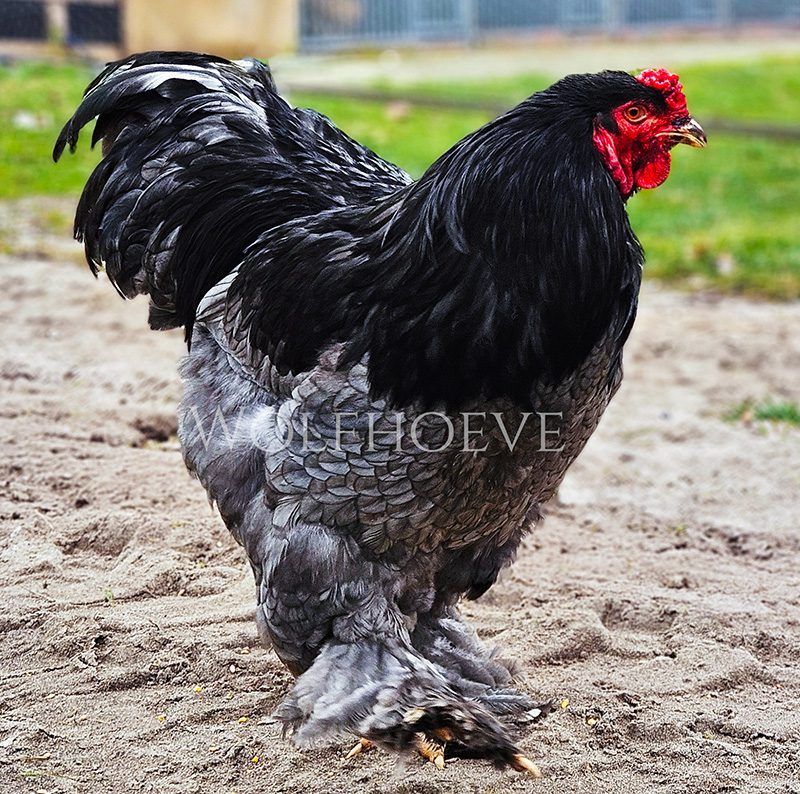
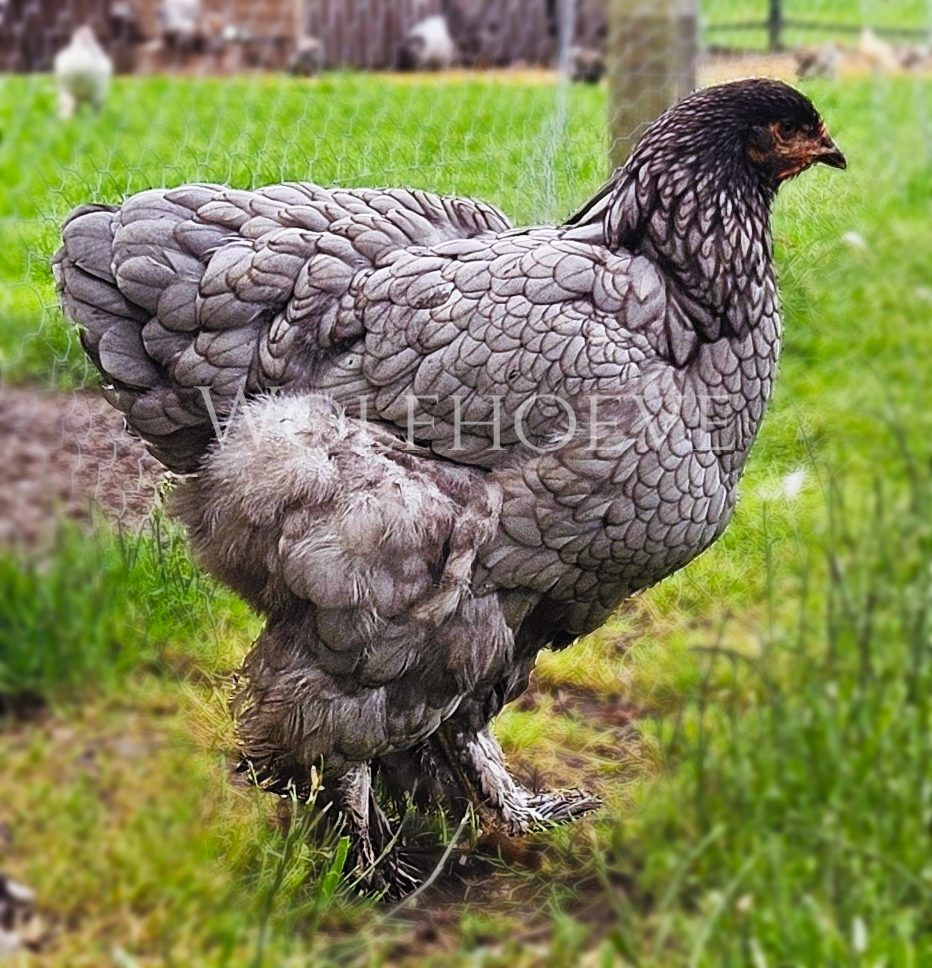
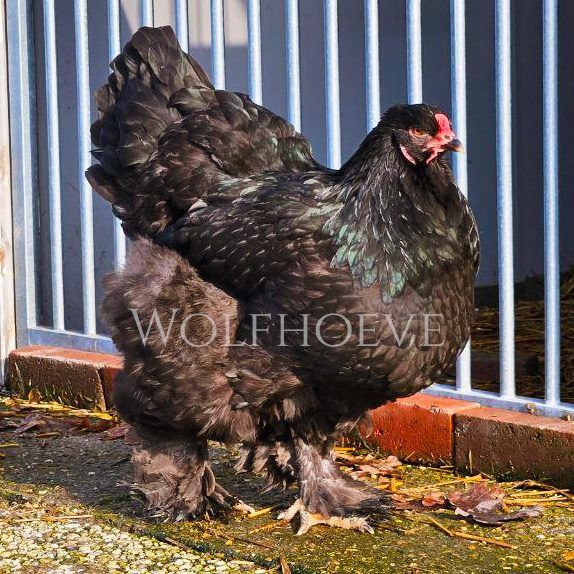
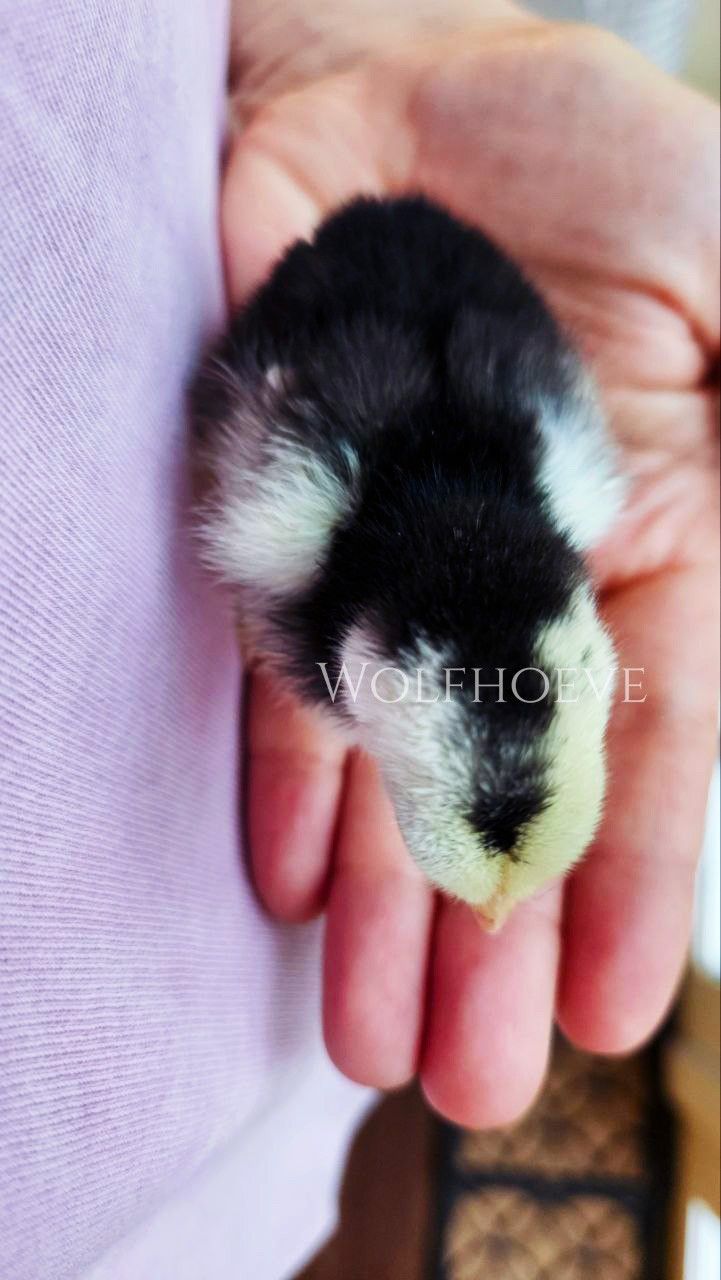
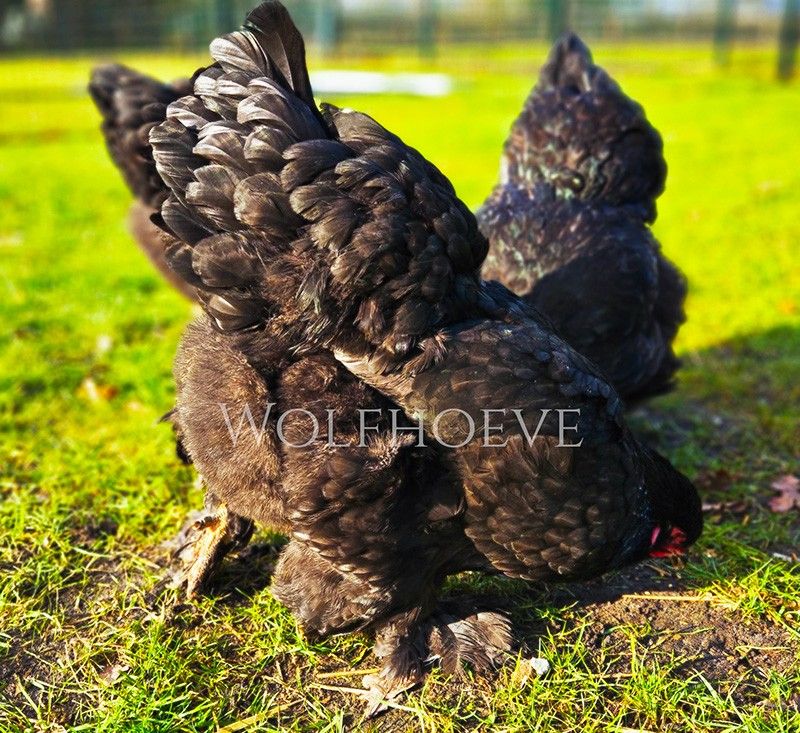
One gene, three genotypes
The Blue locus (Bl) has two alleles: bl+ (the ordinary non-blue version) and Bl (blue). What makes it interesting is that it shows incomplete dominance — the heterozygote looks intermediate, so each copy of Bl is visible:
| Genotype | Name | What you see |
|---|---|---|
bl+/bl+ | Black | No dilution — full black (eumelanin). |
Bl/bl+ | Blue | One copy dilutes black to an even blue-grey. |
Bl/Bl | Splash | Two copies dilute further — a pale bird flecked with blue-grey. |
Blue dilutes only eumelanin (black pigment). Any red or gold on the bird comes from pheomelanin, which Bl leaves untouched — so a "blue" bird built on a gold or partridge base keeps its ground colour, and only the black parts turn blue-grey. That single-pigment action is the key difference from lavender, which dilutes both.
Why blue never breeds true
Because Blue is a heterozygote (Bl/bl+), you cannot fix an all-blue line — mating blue to blue reshuffles the single Bl alleles every generation. The result is the classic 1 : 2 : 1:
The full set of crosses follows directly from that:
| Cross | Offspring |
|---|---|
| Black × Black | all Black |
| Splash × Splash | all Splash |
| Blue × Blue | 25% Black · 50% Blue · 25% Splash |
| Blue × Black | 50% Blue · 50% Black |
| Blue × Splash | 50% Blue · 50% Splash |
| Splash × Black | 100% Blue |
Bl from the splash parent and one bl+ from the black parent, so every chick is Bl/bl+ — blue. It is the one mating in the table with a single, uniform outcome you actually want.
You can run any of these — and add other genes on top — in the Breeding Outcomes tool, which will build the Punnett square and the frequency table for you. Open it with a cross already loaded: Blue × Blue, or the shortcut Splash × Black. You can also line the varieties up side by side in Compare (Blue vs Splash).
Don't confuse it with…
- Lavender (self-blue). Lavender also softens a bird, but it is recessive and dilutes both pigments, so the gold washes out too. Blue leaves gold bright. See Lavender genetics for the full comparison.
- Paint. Splash and Paint can look alike, but Paint is the Dominant White gene (
I) layered over a blue/splash base — a different gene entirely. See the FAQ for the Splash-vs-Paint distinction, or put both standards side by side in Compare.
- The 1:2:1 behaviour of Blue is standard incomplete-dominance genetics; the cross ratios above are basic Mendelian expectations. Plumage-pigment framework: Smyth JR Jr (1990) Genetics of plumage, skin and eye pigmentation in chickens, in Crawford RD (ed.) Poultry Breeding and Genetics, Elsevier.
- Blue is described here by its inheritance pattern; its molecular basis is less firmly established than loci given gene names elsewhere on this site. See the Genetics Guide references for the primary molecular literature on the other loci.